Ann Arbor top home remodeling contractor for Beautiful Home Transformations
Ann Arbor top home remodeling contractor for Beautiful Home Transformations
Blog Article
Home Remodeling: Redesign Your Space Into Your Perfect Home
Home renovation offers a straightforward method to enhancing both functionality and visual appeal in living spaces. It allows homeowners to customize their environments and possibly increase property value. However, achieving the desired results requires thorough planning and commitment to a budget. Comprehending design styles and selecting the right contractors are vital steps in this process. As homeowners start this journey, they must consider what they truly wish to achieve. The path ahead contains several important factors to explore.
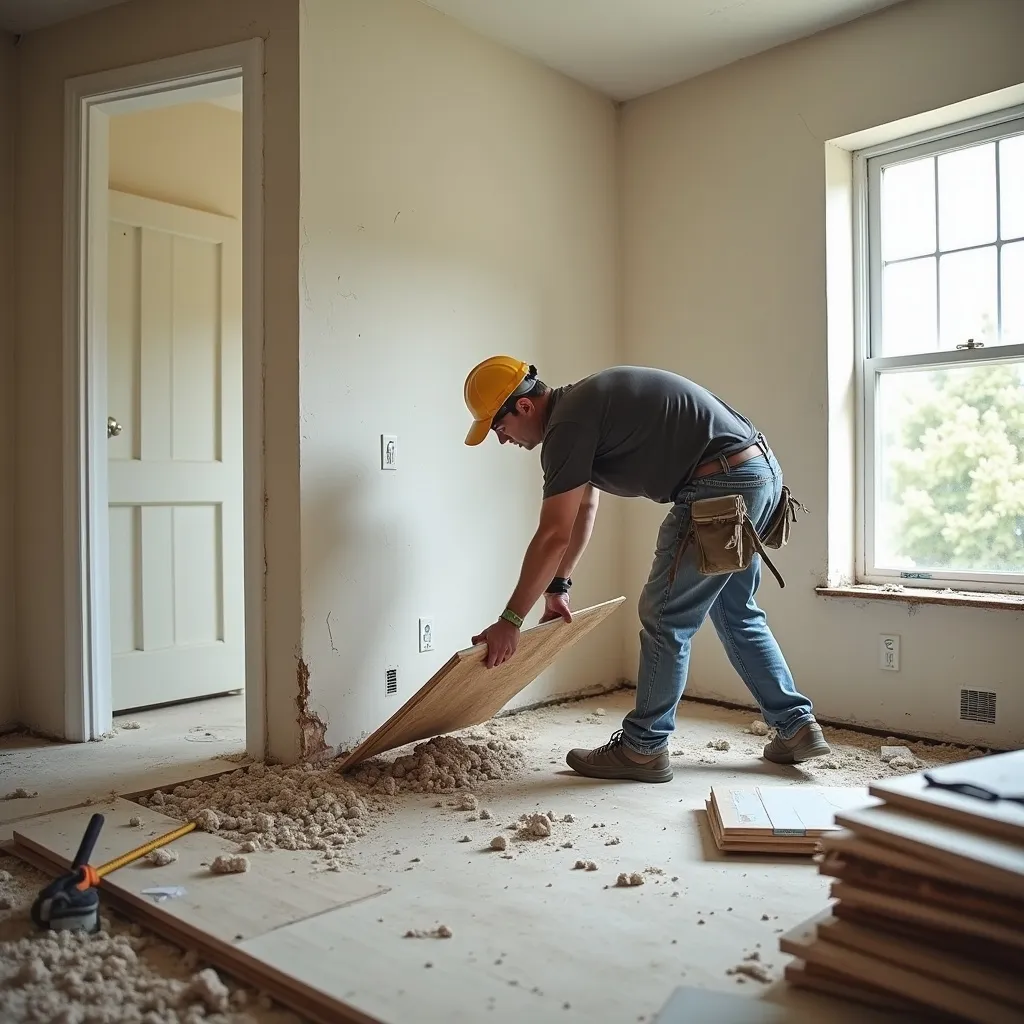
What Are Your Aspirations for Your Home Remodeling?
What targets does one have in mind when undertaking a home remodeling job? People often aim to boost functionality, improve aesthetics, or raise property value. Some may seek a more open layout to promote social interactions, while others aim to create a serene retreat within their home. Specific objectives can include modernizing outdated spaces, including energy-efficient elements, or expanding living areas to accommodate growing families.
Additionally, a homeowner might want to customize their surroundings to reflect their aesthetic and inclinations, making it an authentic expression of themselves. Protection and accessibility can also be key aspects, notably for those with aging relatives or handicaps. Ultimately, the aims of a renovation initiative serve as the foundation for making informed choices, guiding determinations in design, selections, and overall execution. Understanding these goals is imperative for accomplishing a transformative transformation that meets both practical needs and individual preferences.
Methods to Planning Finances for Your Home Upgrade Project
Budgeting for a home remodeling project requires careful organization and attention. It is vital to establish an comprehensive budget, prioritize essential improvements, and allow for unforeseen costs that may occur. By tackling the budgeting process methodically, homeowners can achieve their goals without monetary strain.
Determine Your Overall Budget
Before beginning a home remodeling project, it is crucial to establish an total budget that aligns with both budget limitations and renovation goals. Homeowners should begin by evaluating their finances to understand how much they can practically allocate for the project. This includes assessing savings, income, and possible financing options. It is also prudent to factor in unexpected expenses, typically 10-20% of the total budget, to cover unforeseen issues that may arise during remodeling. Additionally, property owners should research the costs related to various materials and labor in their area, enabling informed decisions. By establishing a clear budget, property owners can maintain focus on their remodeling goals and avoid the stress of overspending.
Focus on Essential Upgrades
With a spending plan firmly established, homeowners can now focus on identifying which upgrades will provide the most value and functionality to their space. The process of prioritizing important upgrades includes assessing areas requiring immediate work, such as old plumbing or electrical components, which might present safety issues. Kitchen and bathroom renovations typically offer high returns on investment; consequently, allocating funds toward modernizing these areas is often wise. Additionally, enhancing energy efficiency through windows, insulation, or appliances can reduce long-term costs. Considering lifestyle requirements is also important for homeowners, like making open spaces for family gatherings or separate work zones. By choosing upgrades strategically to suit immediate priorities and long-term plans, homeowners can optimize their remodeling results without exceeding their budget.
Plan For Unforeseen Costs
Planning ahead for unforeseen expenses is important for property owners beginning a remodeling project. Budgets can become strained when unforeseen issues arise, such as structural damage, aging electrical systems, or hidden water damage. Experts recommend reserving an additional 10 to 20 percent of the overall budget to account for these contingency expenses. Homeowners should also think about possible cost variations in materials and labor. Researching local contractors and getting multiple estimates can deliver a better understanding of expected expenses. Additionally, keeping open communication with contractors throughout the project helps identify and address issues quickly. By proactively accounting for these unexpected costs, property owners can make sure that their renovation project remains on schedule, ultimately renovating their home without budget stress.
Which Style Approaches Enhance Your Home Remodeling?
In the realm of home remodeling, design styles serve as an essential part in creating the overall appearance. Homeowners can select from a range of options, such as modern minimalist aesthetics, cozy rustic charm, and elegant traditional touches. Each style brings its own distinctive character, influencing both the atmosphere and functionality of the space.
Contemporary Streamlined Visual Style
Contemporary minimalist aesthetic provides an stimulating strategy to home remodeling, marked by simplicity and functionality. This style emphasizes airy layouts, clean lines, and a restrained selection of colors, commonly displaying neutral tones that foster a sense of calm. Décor and furniture are intentionally chosen, producing an clean environment that boosts overall harmony. Natural materials, including lumber and stone, commonly function in a significant capacity, contributing warmth while keeping a sleek aesthetic. Lighting is carefully designed, often employing large windows to enhance sunlight. In a contemporary simple home, each element serves a purpose, adding to a unified aesthetic that demonstrates the homeowner's values of distinctness and efficiency. This design promotes tranquility, rendering it suitable for modern living.
Snug Rustic Charm
Embracing the spirit of coziness and ease, cozy rustic charm serves as a favored choice for homeowners looking for a more welcoming atmosphere. This decor approach often includes natural materials, such as reclaimed wood, stone, and soft textiles, forming a organic feel. Earthy color palettes—consider warm browns, soft greens, and muted reds—boost the connection to nature.
Key particulars contain exposed beams, oversized furniture, and aged furnishings, which awaken a wistful remembrance. Fireplaces emerge as focal points, uniting families in harmony in a informal setting. Additionally, fusing modern amenities with rustic accents ensures functionality without abandoning charm. Overall, heartwarming rustic essence converts spaces into hushed sanctuaries, making it an winning proposition for those hoping to permeate their homes with character and warmth.
Elegant Classic Elements
While many homeowners desire comfort through rustic designs, others see allure in the refined elegance of traditional styles. This important guide design approach emphasizes timeless elements such as fancy trims, classic furnishings, and deep color palettes. Traditional spaces often highlight symmetrical layouts and formal arrangements, creating a sense of order and sophistication. Incorporating antique or vintage pieces can enhance realism, while luxurious fabrics like silk and velvet add complexity and texture. Architectural components, such as decorative ceilings and paneling, contribute to an overall sense of grandeur. Homeowners embracing this style often favor comfortable, friendly spaces that reflect their heritage or personal history, making traditional design a lasting choice for those wishing to evoke a sense of elegance in their remodeled homes.
How to Identify the Most Suitable Contractors for Your Home Renovation?
Selecting the right professionals for home remodeling can significantly influence the success of a project. Property owners should start by investigating nearby professionals and checking their qualifications, including permits and coverage. Reading online reviews and seeking recommendations from loved ones or acquaintances can offer useful information into a professional's standing.
It's critical to interview several prospects next to assess their interpersonal skills and professionalism. Homeowners must seek detailed estimates and schedules to ensure openness. A quality builder should be prepared to respond to inquiries and supply a thorough grasp of the project scope.
Additionally, reviewing past assignments or portfolios can assist homeowners evaluate a contractor's approach and quality of work. Finally, trust and connection are crucial; a contractor's demeanor and eagerness to collaborate can greatly affect the remodeling experience. By taking these measures, homeowners can make informed decisions that align with their objective for their dream home.
What Are Important Suggestions for a Thriving Home Renovation?
How can property owners guarantee a successful home remodeling undertaking? Initially, establishing a clear plan is fundamental. Homeowners should define their objectives and preferences, ensuring all parties comprehend the intended outcome. Next, establishing a realistic budget helps mitigate unexpected expenses. It is crucial to include a contingency allocation for unexpected challenges.
Effective dialogue with builders is important; homeowners must convey their needs and expectations explicitly. Regular updates and on-site inspections can enhance this interaction. Additionally, studying products and styles will enable homeowners to make knowledgeable choices, balancing visual appeal and practicality.
Finally, obtaining necessary permits guarantees compliance with local regulations, preventing future issues. By following these tips, homeowners can navigate the complexities of remodeling, ultimately converting their area into a ideal residence.
How to Maintain Your Recently Updated Home?
Homeowners who have spent effort and money in a home overhaul should prioritize continuous care to maintain their freshly renovated space. Frequent cleaning is vital; applying correct cleaners to different surfaces will minimize wear and tear. For example, hardwood floors demand dedicated products that protect the finish, while countertops may need specific treatments to avoid stains.
Furthermore, homeowners should conduct seasonal inspections to tackle any problems promptly. This encompasses inspecting for leaks, maintaining HVAC systems, and ensuring outdoor drainage is working correctly. Routine upkeep of appliances and fixtures will also prolong their lifespan.
Furthermore, it is suggested to develop a maintenance plan that details tasks like painting again or resealing surfaces as necessary. By focusing effort on these maintenance activities, homeowners can preserve the charm and efficiency of their remodeled spaces, eventually improving their property’s value and comfort for years ahead.
Typically Posed Questions Regularly
What Duration Should You Expect for a Typical Home Renovation Project?
A average home renovation project can demand anywhere from a few weeks to several months, reliant on the scope, complexity, and extent of the remodeling. Each project deviates according to individual necessities and unforeseen setbacks.
What Permits Are Required for Home Renovation?
Commonly, certifications needed for home renovation include building, electrical, plumbing, and mechanical permits. Local ordinances may fluctuate, so it's necessary for homeowners to contact their municipality to guarantee compliance with all necessary requirements and standards.
How Can I Minimize Disruptions During Remodeling?
To reduce disturbances during remodeling, one can establish open dialogue with contractors, set specific work hours, assign a separate living area, and maintain a tidy workspace. Planning ahead helps ensure a smoother remodeling process.
What Common Mistakes Should You Sidestep During Renovation Projects?
Prevent these typical mistakes when renovating: underestimating expenditures, neglecting permits, forgoing thorough planning, choosing unsuitable options, ignoring timelines, and not communicating clearly with construction teams, all of which can result in costly postponements and unsatisfactory results.
What's the Ideal Method to Deal With Unexpected Expenses While Remodeling?
To address unforeseen costs during remodeling, one should create a emergency budget, talk openly with builders, prioritize essential upgrades, and stay flexible in choices. This approach helps control finances and minimizes anxiety throughout the process.
Report this page